
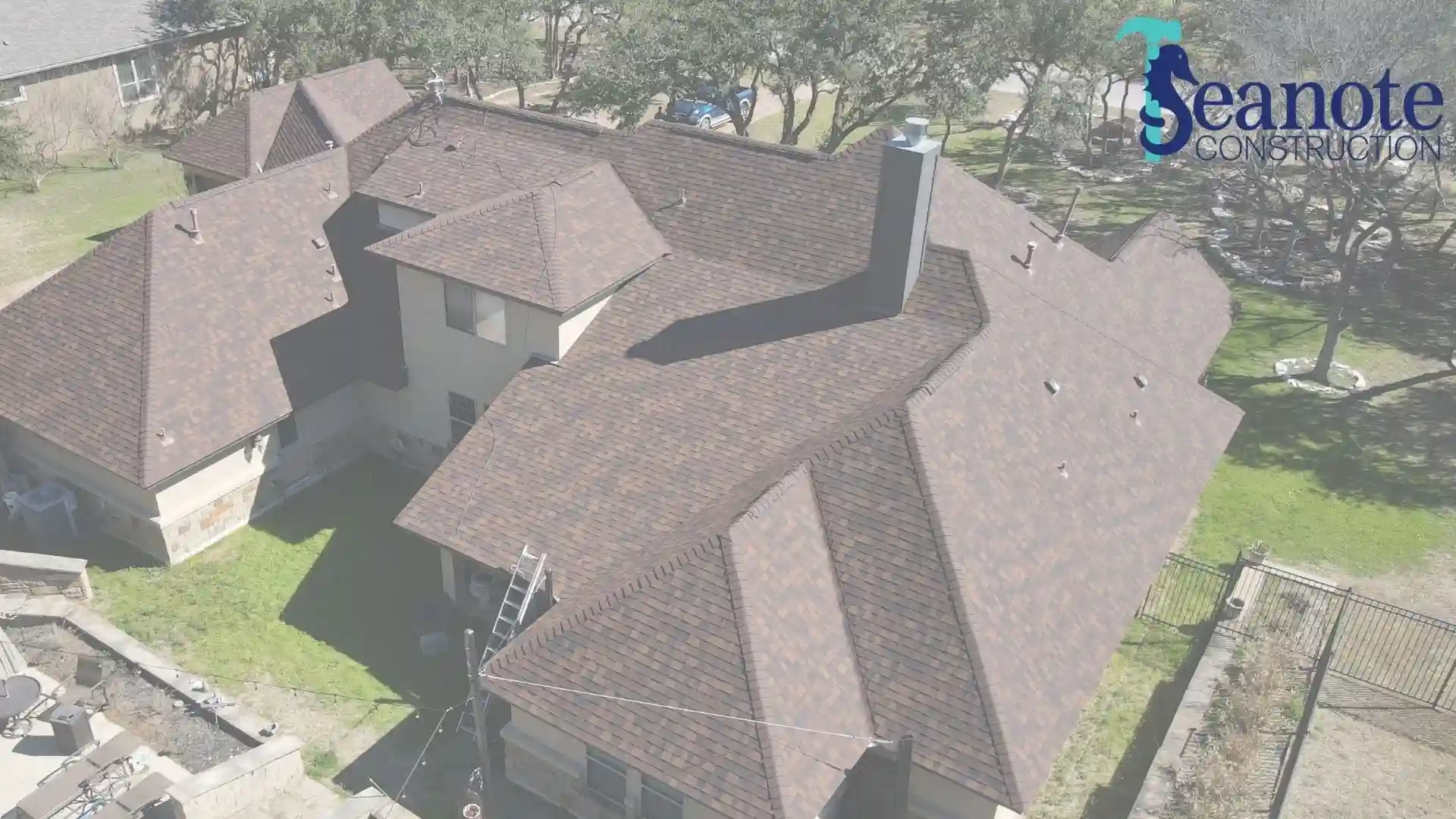
You are standing at a crossroads that every homeowner faces eventually. You know your home needs an exterior update, but the path forward is cluttered with conflicting advice.
Most homeowners start this journey looking for inspiration. You’ve likely spent hours on visualizer tools and debating between charcoal gray and slate blue. That’s the fun part. But here is the reality that standard contractors often gloss over, aesthetics are only 10% of the equation.
In Florida, where UV indexes are extreme and hurricane seasons are intensifying, your home’s exterior is a shield. The difference between a cosmetic facelift and a high-performance building envelope lies in the physics of how materials handle water, heat, and wind.
At Seanote Construction, we believe you shouldn’t have to choose between a home that turns heads and one that withstands the elements. We bridge the gap between architectural beauty and building science.
Key Takeaways
- Exterior upgrades should be treated as a performance system, because looks alone won’t protect against extreme UV and intensifying hurricane seasons.
- Material choices drive long-term ROI, with metal roofing offering decades-long lifespan and energy payback potential, and fiber cement siding outperforming vinyl for durability, fire resistance, and impact/wind performance.
- Rainscreens and properly lapped mechanical flashing manage inevitable moisture at transitions, and sequencing the roof before siding helps make sure flashing is installed correctly and avoids damaging new finishes.
How to Select Materials that Last
When you look at a quote for a roof or siding replacement, you are looking at a financial commitment that should last decades. If you are comparing bids based solely on the bottom-line price, you might be missing the hidden costs of maintenance and early failure.
Let’s look at the data on material longevity and Return on Investment (ROI).
The Case for Metal Roofing
Metal roofing has moved far beyond the “barn look” of the past. It is now the gold standard for Florida homes for two specific reasons: longevity and energy efficiency.
- Lifespan: While traditional asphalt shingles may last 15–20 years in the Florida sun, high-quality metal roofing systems offer a lifespan of 40 to 70 years. This effectively makes it the last roof you will likely ever buy.
- Financial Performance: The upfront cost is higher, but the math works in your favor over time. Metal roofs can offer a payback period in as little as 5–10 years through energy savings alone.
Siding: Why Fiber Cement Wins the Long Game
Vinyl siding is ubiquitous because it is cheap, but it lacks the structural integrity required for high-performance builds. We often recommend Fiber Cement siding for clients who want the look of wood without the rot.
- Durability: Fiber cement is engineered to withstand harsh climates, boasting a lifespan of 50+ years. It resists warping, rotting, and pests.
- Fire & Wind: Unlike vinyl, which can melt in fires or crack in high winds, fiber cement is non-combustible and impact-resistant, making it an ideal choice for hurricane-prone zones.
The Invisible Shield: Building Science You Can’t See
This is the section that separates a “guy with a truck” from a dedicated general contractor. You can buy the most expensive siding on the market, but if the system behind it is flawed, your investment will rot from the inside out.
We focus heavily on two critical components that rarely make it into a glossy brochure: Rainscreens and Flashing.
The Physics of the Rainscreen
Water will eventually get past your siding. It is a matter of when, not if. The problem isn’t the water entry, it’s the inability to dry out.
A rainscreen system creates a gap between your siding and the water-resistive barrier (WRB) on your sheathing. This gap serves two functions:
- Drainage: It allows liquid water to drain away via gravity.
- Drying: It creates an air channel.
Research by the Building Science Corporation indicates that a properly ventilated rainscreen system can accelerate the drying rate of a wall assembly by 5 to 10 times compared to direct-applied siding. This prevents hydrostatic pressure from pushing moisture into your walls, stopping mold and structural rot before they begin.
The Art of Transitions
In construction, leaks almost never happen in the middle of a panel or a shingle. They happen at the transitions, like where a roof meets a wall, where a chimney rises, or where a window is set.
Many volume builders rely on caulking to seal these joints. The problem? Caulk eventually fails. At Seanote, we rely on mechanical flashing, custom-bent metal installed in a lapped fashion (like fish scales) to direct water out and away.
Roof or Siding First?
The logical sequencing of your project affects both the budget and the quality of the finish. Ideally, tackle the roof first.
The Technical Reasoning:
- Gravity: Roofing is a messy demolition process. Debris falls downward. Installing a pristine new siding facade only to have old shingles scrape against it is a risk we prefer to avoid.
- The Critical Junction: The most vulnerable part of your exterior is the kick-out flashing where the roof eaves meet the sidewall. If you do the siding first, the roofer may have to disturb or cut your new siding to properly flash the roof. By doing the roof first (or both simultaneously), we make sure that the flashing is installed against the sheathing, and the siding is layered correctly over it.
Understanding ROI and Market Value
A high-performance exterior is an investment vehicle. Beyond the immediate curb appeal, upgrading your exterior cladding and roofing drives tangible value.
- Energy Efficiency: As noted, cool roof technologies and properly insulated siding assemblies lower the operational cost of owning your home.
- Insurance Mitigation: In Florida, upgrading to wind-resistant roofing and impact-rated materials can often lower your home insurance premiums.
- Resale Value: Buyers in our market are becoming savvier. They ask about the age of the roof and the type of siding. Documenting that you have a 50-year fiber cement system and a highly reflective metal roof provides a competitive advantage when you decide to sell.
Taking the Next Step
You have done the research. You understand that your home needs more than just a coat of paint, it needs a comprehensive exterior system designed for the Florida climate.
The next step is picking a partner who understands the science behind the build. At Seanote Construction, we combine advanced building technologies with the integrity and communication you deserve.
Whether you are in Gainesville, Ocala, or Orlando, let’s discuss how to fortify your home while elevating its aesthetic. Contact Seanote Construction for a consultation.